
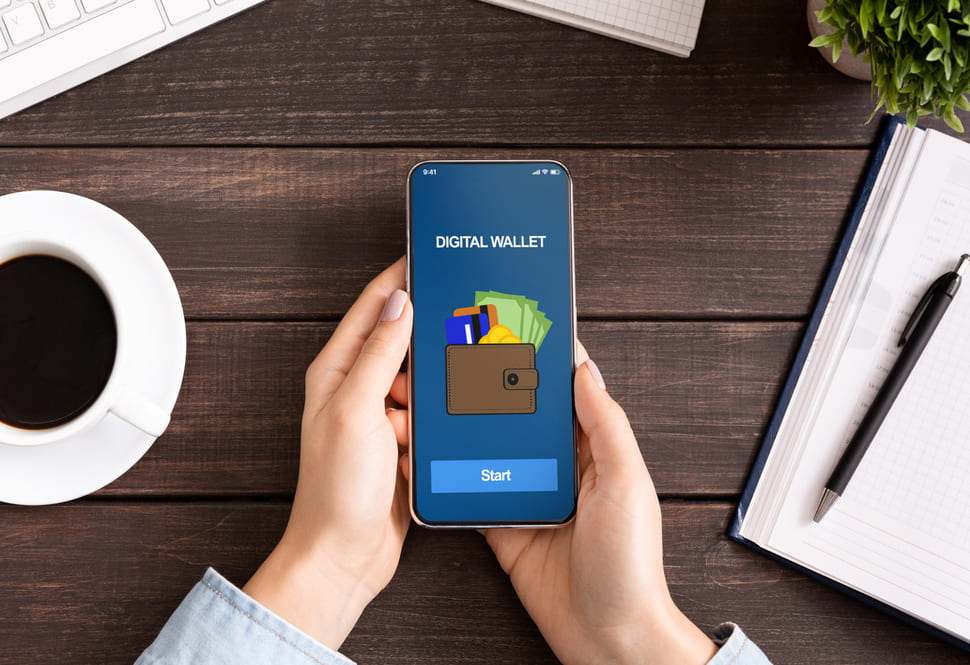
The payment landscape changed forever in the late 1990s when the first digital wallets appeared online. The evolution of digital wallets transformed how people store money, make purchases, and manage their finances from simple payment tools to sophisticated mobile apps that handle everything from cryptocurrencies to loyalty cards.
You now carry a powerful financial tool in your pocket that your parents could never have imagined. Digital wallets have grown from basic PayPal accounts to comprehensive financial platforms, reshaping the financial industry with blockchain technology, artificial intelligence, and biometric security. Understanding this evolution helps you see where mobile payments are heading and how new technologies will shape your daily transactions in the coming years.
Defining Digital Wallets and How They Work
Digital wallets are software applications that store your payment information electronically and enable secure online transactions. These mobile wallets transform how you manage personal finance by combining multiple payment methods, loyalty cards, and financial tools in one digital platform.
Types of Digital Wallets
Digital wallets come in three main types, each serving different needs for online payments and transactions.
Closed wallets work only with specific companies. Amazon Pay is a good example. You can only use the money stored in these wallets with that one business.
Semi-closed wallets let you shop at many different stores and websites. However, you cannot withdraw cash to your bank account. Most store gift card apps work this way.
Open wallets give you the most freedom. You can use them anywhere that accepts digital payments. You can also transfer money to bank accounts and withdraw cash from ATMs.
Key Components and Features
Security features protect your money and personal data. Most digital wallets use encryption to scramble your payment information. They also require passwords, fingerprints, or face recognition to open.
Payment methods connect to your credit cards, debit cards, and bank accounts. You can store multiple cards in one wallet. The app keeps your real card numbers hidden from stores when you pay.
User interface makes the wallet easy to use. Good mobile wallets have simple menus and quick payment buttons. Many let you pay by just tapping your phone on a payment terminal.
Transaction history tracks all your purchases automatically. This helps with personal finance by showing where you spend money. You can review past online payments and set spending alerts.
Benefits and Limitations
Digital wallets offer clear advantages but also have some drawbacks you should know about.
Benefits include faster checkout times and better security than carrying physical cash or cards. Your payment information stays encrypted and hidden. You can also store loyalty cards and coupons in the same app.
Many digital wallets work without the internet once set up. They often provide spending insights to help with personal finance management.
Limitations include the need for compatible devices and merchant acceptance. Not all stores accept mobile wallets yet. Your phone battery must work for payments to process.
Some people worry about privacy and data collection. Technical problems can prevent online transactions from working. You also depend on the wallet company staying in business.
Historical Milestones in Digital Wallet Development
Digital wallets started with simple online payment tools in the 1990s and grew into the mobile-first platforms you use today. Key developments include early web-based systems, PayPal's rise with online shopping, and the shift to smartphone apps by Apple, Google, and Samsung.
Origins and Early Online Payment Networks
The first digital payment systems appeared in the 1990s when the internet started growing. These early tools let you pay for things online without using cash or checks.
Early payment methods included:
- Credit card processing on websites
- Basic electronic money transfers
- Simple online banking systems
Most early systems were hard to use and had security problems. You had to type in your credit card details every time you bought something online.
Banks created the first electronic wallets in the mid-1990s. These systems stored your payment info on websites so you didn't have to enter it each time.
The technology was new and many people didn't trust it. Internet connections were slow and websites often crashed during payments.
The Emergence of PayPal and E-Commerce Digital Payments
PayPal launched in 1998 and changed how you could pay online. It lets you send money using just an email address instead of sharing credit card numbers with every website.
PayPal's key features:
- Email-based payments
- Buyer and seller protection
- Easy account setup
- Integration with auction sites
eBay buyers and sellers quickly adopted PayPal because it was safer than mailing checks. By 2002, digital wallet users had grown to millions, and PayPal became the standard for online payments.
Other companies tried to compete with similar services. Amazon created its own payment system, and banks launched online wallet services.
PayPal proved that people would use digital wallets if they were simple and secure, boosting digital wallet adoption. This success led to more investment in electronic payment technology.
The Shift to Mobile Wallets and Smartphone Integration
Smartphones changed digital wallets completely. Apple, Google, and Samsung built payment systems directly into phones starting in the 2010s.
Major mobile wallet launches:
- Google Wallet (2011): First major smartphone wallet
- Apple Pay (2014): Used fingerprint security
- Samsung Pay (2015): Worked with older card readers
These mobile wallets used your phone's security features like fingerprints and face recognition. You could tap your phone at stores instead of using cards.
The COVID-19 pandemic made digital wallet payments much more common. Many stores that only took cash before started accepting mobile wallets.
Mobile wallets now store more than just payment cards. You can keep loyalty cards, tickets, and ID cards on your phone.
Technological Advancements Driving Evolution
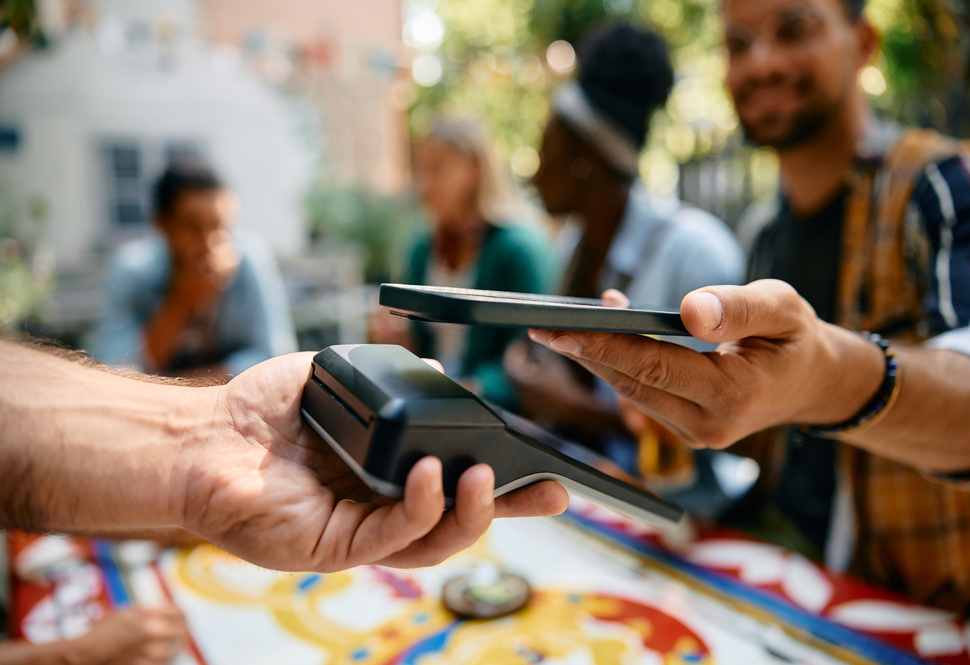
Three major technology breakthroughs have shaped how digital wallets work today. Contactless payments through NFC make transactions faster, while biometric authentication keeps your money safer, and blockchain technology opens doors to new types of digital money.
Contactless Payments and Near Field Communication
Near field communication changed how you pay for things. This system lets you tap your phone or card near a payment terminal to complete transactions in seconds.
NFC works by creating a wireless connection between your device and the payment reader when they're within four centimeters of each other. Your payment information transfers instantly without needing to swipe or insert anything.
Benefits of NFC payments:
- Speed: Transactions complete in under two seconds
- Convenience: No need to carry cash or cards
- Safety: Less contact with surfaces and payment devices
Most smartphones now include NFC chips built into the hardware. This makes contactless payments available to billions of users worldwide.
Biometric Authentication and Security Measures
Multi-factor authentication protects your digital wallet better than passwords or PINs. Your unique physical features become the key to accessing your money.
Facial recognition scans your face structure to verify your identity. The system maps key points on your face and compares them to stored data.
Fingerprint scanning reads the ridges and patterns on your fingertip. Touch sensors built into phones make this method quick and reliable.
Encryption scrambles your payment data so criminals cannot steal it. Even if someone intercepts your information, they cannot read or use it.
Tokenization replaces your real card numbers with random codes during transactions. Your actual account details never leave your device, making fraud nearly impossible.
These security layers work together to create robust security measures and multiple barriers against theft.
Blockchain, Cryptocurrencies and Digital Wallet Technology
Blockchain technology creates a permanent record of all digital wallet transactions. This system stores information across many computers, making it extremely hard to hack or change.
Digital wallets now support popular cryptocurrencies like Bitcoin and Ethereum. You can buy, sell, and store these digital currencies alongside traditional money in one app.
Blockchain benefits for digital wallets:
- Transparency: All transactions are recorded publicly
- Security: Data exists on thousands of computers simultaneously
- Speed: International transfers complete in minutes, not days
Smart contracts run automatically on blockchain networks. These programs execute financial transactions when specific conditions are met, removing the need for banks or other middlemen.
Many digital wallets now offer crypto-to-cash conversion features. Decentralized finance applications connect directly to your digital wallet.
The Rise of Leading Digital Wallet Providers
Major technology companies have transformed digital payments through their wallet platforms, while regional players have built dominant positions in their home markets.
Apple Pay, Google Pay, and Samsung Pay
Apple launched Apple Pay in 2014, using NFC technology to let iPhone users pay with their devices at stores. Apple Pay stores credit and debit card information securely on the phone.
Google Pay started as Android Pay in 2015 before rebranding. The service works on Android phones and lets you pay in stores, apps, and online.
Samsung Pay offers a unique advantage with its Magnetic Secure Transmission (MST) technology. This feature lets you pay at older card readers that don't support NFC.
All three platforms focus on card-based transactions. They store your existing credit and debit cards digitally.
Global Expansion With Alipay and WeChat Pay
Alipay dominates digital payments in China with over 1 billion users worldwide. The platform started as a payment service for Alibaba's e-commerce sites. Today, you can use Alipay for everything from groceries to utility bills.
WeChat Pay integrates payments into China's most popular messaging app. You can send money to friends, pay merchants, and access financial services without leaving the chat app.
Both platforms have expanded beyond China's borders. You can now use Alipay and WeChat Pay in many countries across Asia, Europe, and North America.
Key features include:
- QR code payments
- Social money transfers
- Bill payments
- Investment services
- Insurance products
Peer-to-Peer and Super App Wallets
Regional wallet providers have built strong positions in their local markets. Swish dominates peer-to-peer payments in Sweden. Bizum serves Spanish users for instant money transfers. Twint handles digital payments across Switzerland.
These local champions offer fee-free transfers between bank accounts. They bypass traditional card networks entirely. Users link their bank accounts directly to send money instantly.
Super app wallets combine multiple services in one platform. You get payments, banking, shopping, and lifestyle features together. Meta has explored similar concepts through Facebook Pay and WhatsApp payments.
Real-time payment systems like UPI in India and PIX in Brazil enable these instant transfers.
Changing Consumer Behavior and Financial Management
Digital wallets are transforming how you manage your personal finances by providing real-time spending insights and integrated budgeting tools. These platforms now connect loyalty programs directly to your payment methods.
Personal Finance Tools and Spending Analytics
Digital wallets now offer advanced personal finance features that help you track and control your spending habits. Most platforms provide automatic transaction categorization, showing exactly where your money goes each month.
The wallet sends instant alerts when you approach these limits. This real-time feedback helps prevent overspending.
Many wallets include budgeting tools that analyze your income and expenses. The analytics show spending trends over time. You can see if your grocery bills are increasing or if you spent more on entertainment last month.
Key Features Available:
- Real-time spending notifications
- Automatic expense categorization
- Monthly and yearly spending reports
- Budget creation and tracking tools
- Bill payment reminders
Integration With Loyalty and Rewards Programs
Digital wallets have changed how loyalty programs work by storing all your rewards cards in one place. You no longer need to carry physical cards or remember account numbers when making purchases.
The integration happens automatically during checkout. Your wallet applies available discounts and earns points without extra steps.
Many wallets partner with specific retailers to offer exclusive deals. These targeted promotions often provide better value than general discounts, improving customer satisfaction.
Popular Integration Types:
- Store-specific rewards cards
- Credit card cash back programs
- Airline and hotel loyalty points
- Gas station reward programs
- Restaurant and coffee shop perks
Impact on Financial Inclusion and Embedded finance
Digital wallets are expanding access to financial services for people who previously lacked traditional banking options. You can now store money, make payments, and transfer funds without a traditional bank account.
These platforms serve populations in areas with limited bank branches. The technology requires only a smartphone and internet connection.
Financial institutions are partnering with wallet providers to reach new customers. This collaboration brings banking services like savings accounts and small loans to wallet users.
Small business owners particularly benefit from digital wallet acceptance. They can receive payments instantly without expensive card processing equipment.
Regulatory, Privacy, and Security Challenges
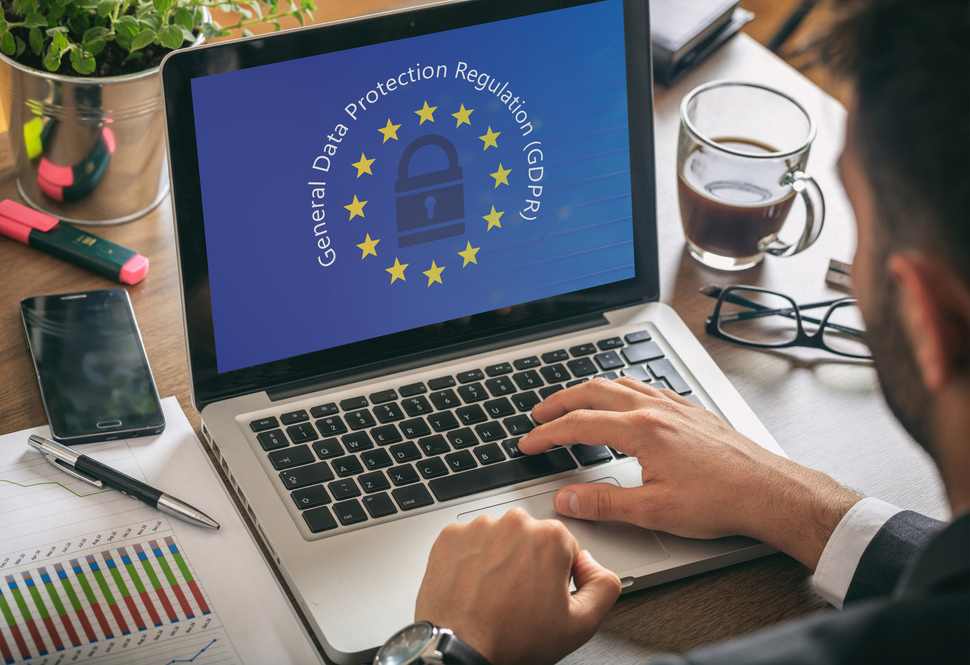
Digital wallets face complex regulatory frameworks that vary by region, while companies must protect user data through advanced encryption and build trust through transparent security practices.
Data Privacy and Encryption Standards
Digital wallets collect vast amounts of personal and financial data from users. This includes payment histories, location data, and spending patterns. Companies must protect this sensitive customer data using strong encryption methods.
Most digital wallet providers use AES-256 encryption to secure data at rest. They also employ TLS encryption for data transmission between devices and servers.
Your biometric data presents special challenges. Fingerprints and face scans require extra protection because you cannot change them if they get stolen.
Data brokers often transfer your account information between banks and wallet apps. These third parties may collect more data than needed for basic transactions.
Compliance: GDPR and PSD2 Regulations
GDPR gives you specific rights over your personal data in Europe. Digital wallet companies must get your clear consent before collecting information.
Under GDPR, companies face fines up to 4% of their global revenue for violations. This has forced fintech firms to redesign how they handle your data.
PSD2 regulations require strong customer authentication for payments over €30 in Europe. This means you must provide at least two forms of verification, such as a password plus fingerprint.
PSD2 also opened banking data to licensed third parties. This lets you connect multiple bank accounts to one digital wallet.
Building and Maintaining Consumer Trust
Security breaches can destroy trust in digital wallets quickly. High-profile hacks and data breaches have made many users worry about storing money outside traditional banks.
Transparency plays a key role in building trust. Users want to know how their data gets used and who has access to it. Clear privacy policies and regular security updates help maintain confidence.
Consumer trust also depends on regulatory oversight. Many digital wallets lack the same protections as bank accounts.
Future of Digital Wallets and the Expanding Role of Artificial Intelligence
Artificial intelligence will transform how digital wallets work in three major ways. AI will make payments more personal and secure, connect traditional money with digital assets, and help different payment systems work together worldwide.
AI-Driven Personalization and Fraud Prevention
AI makes your digital wallet smarter by learning how you spend money. You might get alerts about spending limits or tips to save money based on your patterns.
Smart fraud detection works in real-time to protect your money. AI checks each payment instantly and looks for unusual activity.
Machine learning helps your wallet understand the difference between normal and suspicious transactions. The technology gets better at spotting fraud as it processes more payments.
Biometric features like fingerprint and face scanning work with AI to make payments faster and safer. You can pay for things without typing passwords or remembering PINs.
Decentralized Finance and Digital Assets
DeFi platforms are changing how digital wallets handle cryptocurrency and traditional money. You can now store both regular dollars and digital coins in the same wallet app.
Blockchain technology helps your wallet connect to decentralized finance services directly. You can lend money, earn interest, or trade assets without using banks.
Popular DeFi features in modern wallets include:
- Cryptocurrency trading and swapping
- Earning rewards on stored digital assets
- Lending and borrowing without banks
- Cross-border payments with lower transaction fees
Digital assets like Bitcoin and stablecoins are becoming normal payment options. Many wallets now let you pay at regular stores using cryptocurrency that converts to local money instantly.
Interoperability and the Global Payment Ecosystem
Different payment systems around the world are starting to work together better. Your digital wallet can now send money across countries and between different fintech firms more easily.
Payment networks are building bridges between various wallet types and banking systems. You can send money from your phone to someone using a completely different app or service.
Key improvements in global payments include:
- Faster international money transfers
- Lower fees for cross-border transactions
- Better currency conversion rates
- Support for multiple payment methods
Fintech firms are working with traditional banks to create unified payment experiences. This means your digital wallet can access services from both new technology companies and established financial institutions.
Digital Wallet Adoption: Shaping the Future of Everyday Payments
Digital wallets have revolutionized the financial industry, providing users with secure, fast, and convenient tools for everyday transactions. As digital wallet adoption grows, businesses and individuals alike can benefit from seamless integration, robust security measures, and innovative digital solutions that make managing money easier than ever.
At Suisse Bank, we empower clients with secure, innovative financial solutions that support international transactions, wealth management, and digital payments. Our private banking services combine modern technology with discretion, making it possible for you to navigate global finance confidently and efficiently.
Become our client to access tailored multi-currency accounts, secure international payment options, and exclusive financial services designed for globally active individuals and businesses. With Suisse Bank, you gain more than a financial platform; you gain a trusted partner committed to helping you move, grow, and protect your wealth worldwide.